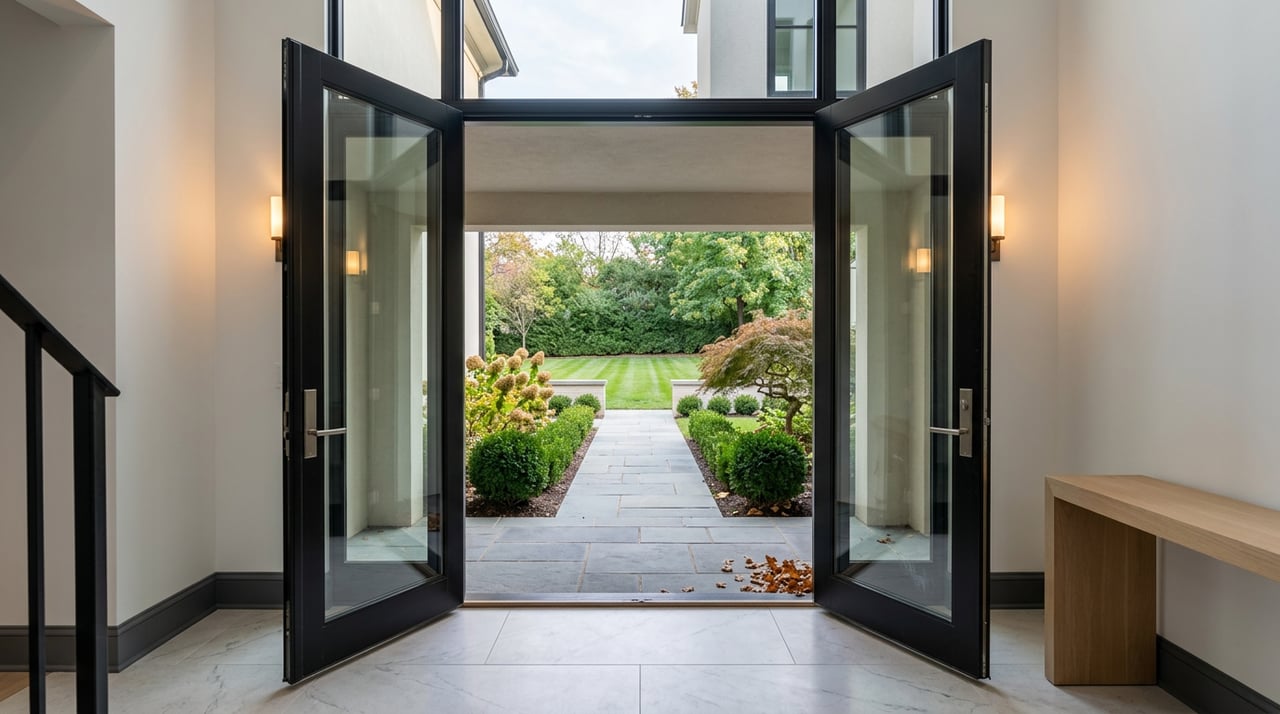
Eyeing a larger home in Wyckoff but seeing only a handful of listings each week? You are not alone. Inventory is thin, prices are high, and the best homes move fast. In this guide, you will learn practical, New Jersey–specific ways to buy your next home without losing leverage, plus the financing and timing moves that help you win in a tight market. Let’s dive in.
Why move-up buying feels harder in Wyckoff
Wyckoff is an upper-priced Bergen County suburb with a high share of expensive single-family homes. The township’s housing analysis reports a median home value around $908,900, with most owner-occupied homes above $750,000 and many above $1,000,000. That price mix means fewer listings that match precise wish lists and more competition when the right home appears. You can review the town’s figures in the Wyckoff housing analysis.
County updates document persistent low months of supply and steady buyer demand through 2024–2025, a trend that has continued into early 2026 in many pockets of Bergen County. See the county’s market context in Bergen County reports.
What it means for you: with limited listings and higher price points, sale contingencies can be a disadvantage unless you bring strong proof your home will sell quickly or you use buy-first financing to remove the contingency.
Set your plan first: buy-first, sell-first, or contingent
Before you tour homes, pick your path. Your choice affects your offer strength, timeline, and carrying costs. Here are the core options and how to execute them well in Wyckoff.
Buy-first: use flexible financing
A buy-first plan lets you make a non-contingent offer, which is often the winning move when inventory is tight. You will need short-term liquidity for your down payment and closing costs. Common tools include:
- Bridge loan. A short-term loan that “bridges” your purchase until your old home sells. It is designed for speed but usually costs more than long-term financing. Learn the basics in this bridge loan explainer.
- HELOC or home equity loan. You draw against your current home’s equity for the new down payment, then repay when you sell. HELOCs often have lower rates than bridge loans but come with underwriting and variable-rate considerations. Review consumer protections in the CFPB’s HELOC guide.
- Cash-buy or buy-before-you-sell programs. Some industry programs can free funds or help you present a cash-like offer. Terms and fees vary, so compare the total cost and timeline carefully. See NAR’s overview of evolving options in its financing changes summary.
When rates move, your purchasing power shifts. The Freddie Mac survey recently showed 30-year fixed rates near 6.00% in early March 2026, which affects how far your budget stretches. Check current numbers before you lock targets, and attach a current pre-approval to every offer. See the latest snapshot in this Freddie Mac PMMS update.
Pros: strongest offer position, simpler negotiations, more control over timing. Cons: temporary financing cost and the risk of carrying two loans if your sale is delayed.
Sell-first with control and comfort
This path reduces risk because you know your net proceeds before you buy. To keep momentum:
- Prepare your current home to sell quickly with the right price and presentation. Well-prepared homes tend to move faster in Wyckoff’s price ranges.
- Negotiate a short post-closing occupancy (rent-back) with your buyer so you have 30 to 60 days to close on your purchase and move once. Put terms in writing, including rent, deposit, utilities, and liability.
- If needed, arrange a short furnished lease to bridge any gap.
Pros: no double-carry risk and no sale contingency on your purchase. Cons: possible temporary housing or moving twice if the timing does not align.
Flexible: a smarter contingent offer
A home-sale contingency can still work if you minimize the seller’s risk and show clear progress on your sale. To make it competitive in Wyckoff:
- Keep the contingency period short, such as 30 to 45 days.
- Provide proof your current home is listed, well priced, and attracting strong showings.
- Offer a higher earnest deposit and consider an escalation clause written to fit local norms and appraisal rules. Learn how contingencies and escalation work in NAR’s consumer guide to contract contingencies and this NerdWallet overview.
Sellers often request a kick-out clause so they can keep marketing the home and accept a stronger offer. Your goal is to give them confidence that your sale will close on schedule.
New Jersey timing essentials you should know
Attorney review: the 3-business-day window
In New Jersey, after a contract is signed by buyer and seller, there is a standard attorney review period. The contract becomes binding after three business days unless an attorney disapproves or proposes changes. That timing is set in the New Jersey Administrative Code. You can read the rule here: N.J.A.C. 11:5-6.2.
Practical tip: build this review window into your sequencing and deadlines. In a fast market, many contracts pass review without major changes, but it remains a key moment to fine-tune terms.
Typical closing timeline and coordination
Most financed purchases close in roughly 30 to 60 days from a fully signed contract, depending on appraisal, underwriting, title, and attorney schedules. Same-day or back-to-back closings are possible when your team coordinates well. If you plan to fund your purchase with proceeds from your sale, keep both lenders, both attorneys, and both title companies aligned early.
Make your offer stand out without overpaying
Strong offers in Wyckoff do more than raise price. They lower the seller’s uncertainty and keep your protections intact.
- Get a fresh pre-approval that reflects current rates. Include it with your offer. Reference the current rate outlook using the Freddie Mac PMMS update.
- Right-size contingencies. Keep inspection and financing protections that match the property’s age and your risk tolerance, but tighten timelines where you can.
- Use an escalation clause carefully. Cap it, require proof of a competing offer, and plan for appraisal risk. See this NerdWallet guide on contingent and competitive offers.
- Offer flexible closing and possession. A seller who needs time may value a rent-back or a specific closing date more than a small price gain.
- Increase earnest money and show your sale readiness. If you must be contingent, document your listing status and showings. NAR’s contingency guide explains seller tools like kick-out clauses.
Find more options before they hit the MLS
When active inventory is small, you improve your results by creating options.
- Ask your agent about office-exclusive and delayed-marketing paths that comply with local MLS rules. NAR’s 2025 policy created formal “Multiple Listing Options for Sellers,” which affects how and when “coming soon” or office-exclusive listings can be marketed. See NAR’s policy update.
- Target specific streets or micro-areas with direct outreach. Thoughtful letters and calls can surface owners who are considering a move.
- Monitor withdrawn or expired listings and estate situations. Some sellers will consider a private sale if the terms and timeline are attractive.
A well-connected local agent can open doors to pre-MLS conversations, builder pipelines in adjacent towns, and agent-to-agent networks that rarely hit public portals.
Pick your path: three clear examples
Below are sample plans that work in Wyckoff. Choose the one that fits your risk tolerance and timeline.
1) Buy-first using a HELOC or bridge loan
- Secure conditional approval for a HELOC or bridge loan.
- Make a non-contingent offer on the new home. Close on a standard 30 to 60 day timeline.
- List and sell your current home after you close, then repay the interim financing.
Pros: strongest offer and cleanest negotiation. Cons: short-term financing cost and possible double-carry if your sale lags. Learn the basics of bridge loans in this overview and compare HELOC consumer guidance in the CFPB brochure.
2) Sell-first plus a short rent-back
- List and sell your current home first. Negotiate a 30 to 60 day rent-back if you need occupancy after closing.
- Shop and secure your next home while you are under contract to sell.
- Close on the new purchase during the rent-back window, then move once.
Pros: no double-carry risk and no sale contingency on your purchase. Cons: you need tight coordination and a clearly written post-occupancy agreement.
3) Contingent offer with proof and speed
- List your current home before you write the offer, or have it under contract.
- Write a sale contingency with a short window, back it with a higher earnest deposit, and include evidence your home is market-ready.
- Use an escalation clause if needed, and be prepared for a seller’s kick-out clause.
Pros: gives you time to sell before you buy. Cons: you may lose to a non-contingent buyer if the home draws multiple offers. See NAR’s contingency guide for seller protections that you may need to address.
Quick checklist for Wyckoff move-up buyers
- Get a lender pre-approval that reflects current rates and your target price range. Revisit if rates move. See the current trend in the Freddie Mac PMMS.
- Choose your sequencing plan early: buy-first with a bridge or HELOC, sell-first with a rent-back, or a short, well-supported contingency.
- If using interim financing, secure conditional approval now and budget for fees, interest, and overlapping costs. Review HELOC protections and bridge loan basics.
- If contingent, prepare seller-friendly proof: active listing, pricing strategy, showing activity, or a signed contract on your current home.
- Ask your agent how they source pre-MLS opportunities, including office-exclusive options that align with NAR’s MLS policy changes.
- Plan for New Jersey’s attorney review and typical closing windows. Build buffers into your rent-back or temporary housing timelines.
Final thoughts
Move-up buying in Wyckoff rewards clear strategy, clean financing, and tight coordination. Whether you buy first, sell first, or go contingent, your edge comes from reducing uncertainty for the seller and keeping your own timeline under control. If you want a team that pairs neighborhood-level access with a white-glove process and strong offer execution, connect with The Tony Nabhan Collective.
FAQs
What should I know about buying a larger Wyckoff home with low inventory?
- Expect limited listings at higher price points, faster competition, and the need for a clear plan: buy-first financing, sell-first with a rent-back, or a short, well-supported sale contingency.
How do New Jersey’s attorney-review rules affect my move-up purchase?
- After both parties sign, the contract becomes binding after three business days unless an attorney disapproves or revises it, so build this window into your sequencing and deadlines.
Can a contingent offer still win in Wyckoff right now?
- It can when you reduce the seller’s risk: short contingency window, higher earnest deposit, proof your current home is listed or under contract, and clean terms supported by a strong pre-approval.
What are my main financing options to buy before I sell?
- Bridge loans offer speed but at a higher short-term cost, while HELOCs can be cheaper but require underwriting and setup time; the right choice depends on your equity, timing, and risk tolerance.
How can I find off-market or pre-MLS homes in Wyckoff?
- Work with a local agent who leverages office-exclusive and delayed-marketing options under current MLS policy, plus direct outreach, agent networks, and builder contacts to surface homes before they go public.