If you want a strong sale in Paramus, listing your home before it is truly market-ready can cost you time, leverage, and money. In a market where buyers can compare condition, layout, and presentation closely, the homes that feel polished from day one tend to make the best first impression. The good news is that you do not need to over-renovate to stand out. With the right pre-listing plan, you can focus on the updates that matter most and avoid expensive distractions. Let’s dive in.
Why pre-listing prep matters in Paramus
Paramus is a premium Bergen County market, but that does not mean every home sells itself. According to Realtor.com’s 07652 market overview, the median listing price was $1.255 million in March 2026, with 43 active listings, a median 30 days on market, and a 99% sale-to-list ratio. That points to a market where buyers are active, but still selective.
A second snapshot from the same period tells a similar story. Redfin data cited in the research summary shows homes can take longer to sell, which reinforces a simple point: presentation and pricing still matter. When buyers have options, they notice the homes that feel maintained, current, and easy to move into.
Paramus also has an older housing stock. The borough’s 2025 Housing Element and Fair Share Plan reports that 84% of housing units are detached single-family homes, 77.3% are owner occupied, and the median year of construction for owner-occupied homes is 1963. In practical terms, that means many sellers are preparing well-built homes that may benefit from cosmetic updates, maintenance catch-up, or a sharper presentation before going live.
Start with what buyers notice first
In Paramus, buyers are often evaluating both the home itself and the cost of ownership. The borough’s 2025 effective tax rate, combined with Census housing-cost data in the research report, suggests that buyers in this market are already making a significant monthly commitment. That can make visible deferred maintenance feel more expensive and more concerning during showings.
Before you think about major projects, focus on the signals your home sends in the first few minutes. Peeling paint, dated light fixtures, worn trim, stained grout, or a cluttered layout can shape perception fast. On the other hand, a clean entry, fresh paint, tidy landscaping, and bright rooms can make your home feel more valuable without requiring a full remodel.
Focus on high-impact improvements
The strongest pre-listing strategy is usually not a major renovation. National benchmarks in the 2025 Cost vs. Value Report show that smaller, visible upgrades tend to recover more value than large discretionary remodels. Top performers included garage door replacement, steel entry door replacement, manufactured stone veneer, fiber-cement siding replacement, and a minor kitchen remodel.
By contrast, bigger projects often recouped much less. Major kitchen remodels, upscale bath remodels, and primary suite additions delivered weaker average returns in the same report. For most Paramus sellers, that supports a disciplined approach: improve what buyers see and question first, and avoid sinking time and money into projects that may not materially improve your sale outcome.
Exterior fixes that can pay off
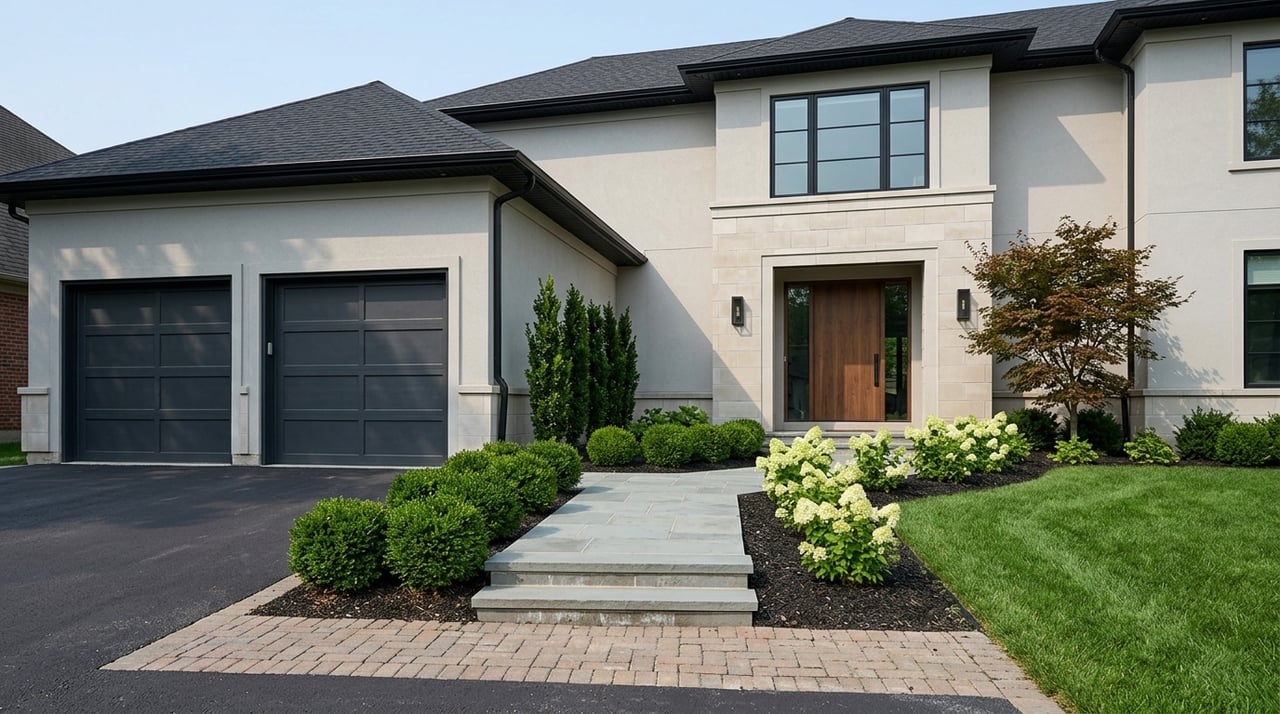
Your exterior sets the tone before a buyer walks inside. In a community with many detached single-family homes, curb appeal carries real weight.
Prioritize items such as:
- Front door condition and hardware
- Garage door appearance and operation
- Roof, gutters, and visible trim repairs
- Siding touch-ups or cleaning
- Walkway and driveway condition
- Neat shrubs, edged lawn areas, and seasonal cleanup
- Updated exterior lighting
The NAR 2025 Remodeling Impact Report also supports this approach, noting that sellers are often advised to paint, address roofing, and improve exterior-facing features before listing.
Interior updates worth doing
Inside the home, your goal is clarity, cleanliness, and a move-in-ready feel. That does not require perfection. It does require buyers to feel that the home has been cared for.
The most effective interior prep often includes:
- Painting walls in a clean, neutral palette
- Repairing minor drywall or trim damage
- Replacing outdated or dim light fixtures
- Deep cleaning floors, windows, kitchens, and baths
- Re-caulking tubs, showers, and backsplashes where needed
- Reducing furniture to improve flow
- Removing personal items and excess decor
- Refreshing cabinet hardware or faucets if they visibly date the space
Selective kitchen and bath touch-ups usually make more sense than a full gut renovation. In an older housing stock like Paramus, buyers often respond well to spaces that feel clean, functional, and well maintained, even if every finish is not brand new.
Stage the rooms that influence buyers most
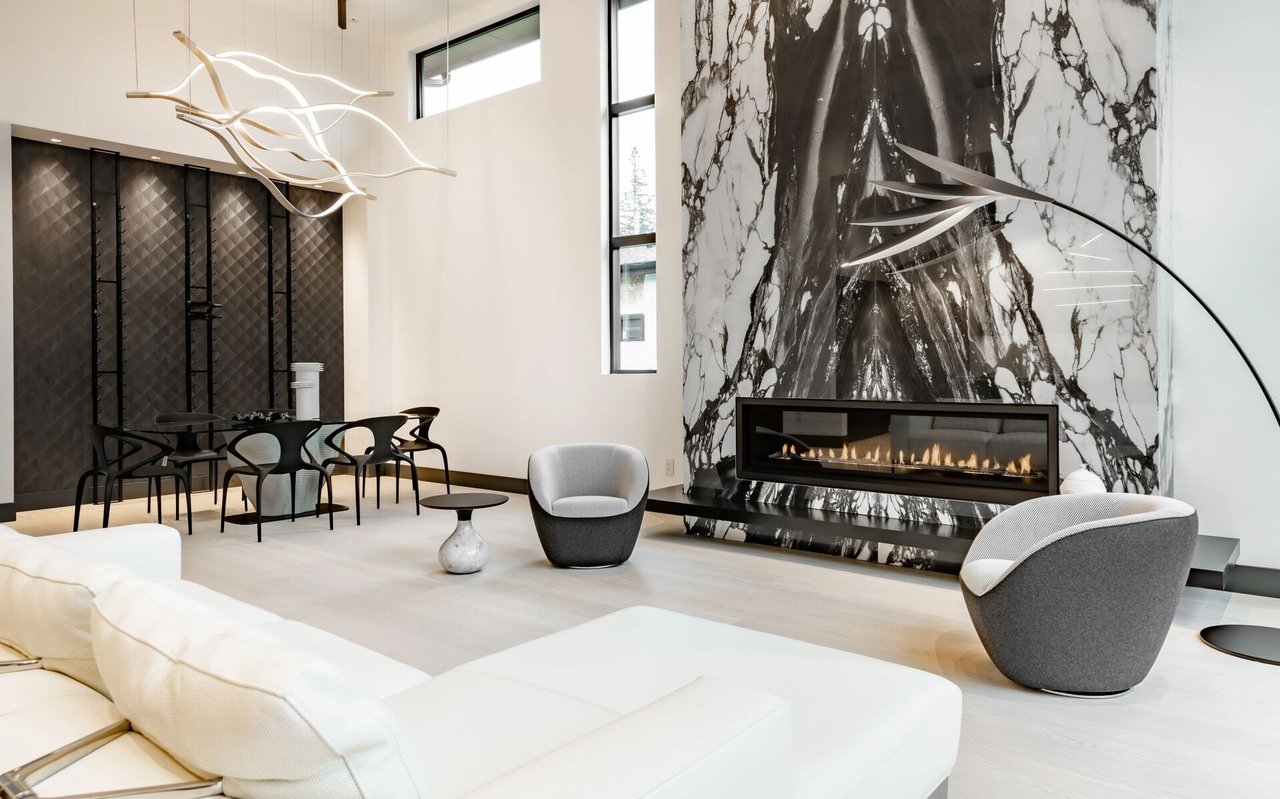
Staging is one of the clearest opportunities to improve presentation without overbuilding. According to NAR’s 2025 staging research, 83% of buyers’ agents said staging made it easier for buyers to visualize a property as their future home. The same report found that 49% of sellers’ agents said staging reduced time on market, and 29% said it increased value offered by 1% to 10%.
Buyers’ agents identified the living room as the most important room to stage, followed by the primary bedroom and kitchen. That is a useful roadmap if you want to spend wisely.
Best rooms to prioritize
If your time or budget is limited, focus here first:
- Living room for scale, layout, and first-impression comfort
- Primary bedroom for calm, simplicity, and usable space
- Kitchen for cleanliness, function, and brightness
- Dining room if it helps define flow or supports entertaining space
Strong staging does not mean filling a home with decor. It means helping buyers understand the room size, purpose, and lifestyle potential within seconds.
Use a 60- to 120-day prep timeline
For many Paramus sellers, the ideal pre-listing runway is about 60 to 120 days. That window gives you enough time to inspect the home with fresh eyes, complete targeted improvements, and prepare the property for photography and launch without unnecessary rush.
This is especially important if your prep list includes any exterior work, roofing, siding, or hardscape improvements. According to the borough’s Construction Permits page, permits may be required for many types of work, including roofing, siding, kitchen and bathroom renovations, decks, fences, patios, driveways, walkways, generators, AC units, and HVAC work. The borough also warns that unpermitted work can create zoning issues, removal requirements, and fines.
A practical pre-listing schedule
Here is a simple way to think about the timeline:
| Timeframe | Priority |
|---|---|
| 120-90 days out | Walk the property, build a repair list, check permit needs, and set a budget |
| 90-60 days out | Complete exterior repairs, paint, lighting updates, and key maintenance items |
| 60-30 days out | Deep clean, declutter, stage core rooms, and finish touch-ups |
| Final 2-3 weeks | Prepare for photography, finalize pricing strategy, and launch with polished marketing |
A structured timeline helps you stay focused on what supports the sale instead of reacting to last-minute stress.
Avoid the over-improvement trap
One of the most common pre-listing mistakes is doing too much in the wrong places. If a major remodel solves a real condition issue, it may be worth discussing. But if the home is fundamentally sound, full-scale luxury renovations right before listing are often not the highest-return use of your capital.
The data supports restraint. The 2025 Cost vs. Value Report shows that large upscale remodels generally recover less than targeted, visible improvements. In many cases, the better strategy is to let buyers see a clean, well-maintained home with broad appeal, then price and market it correctly.
Think like a discerning buyer
Paramus buyers are often comparing several important factors at once: condition, layout, upkeep, and overall value relative to monthly ownership costs. The borough’s housing profile and Census data in the research report point to a community of established single-family homes in a premium price range. That makes thoughtful preparation even more important.
As you get ready to list, ask yourself:
- Does the exterior feel cared for from the street?
- Are there obvious maintenance issues a buyer would flag immediately?
- Do the main living spaces feel bright, open, and easy to understand?
- Would the kitchen and baths read as clean and functional in photos and in person?
- Have you improved the home enough to compete without over-investing?
Those questions usually lead to smarter decisions than chasing trends or starting major projects too late.
A stronger sale starts before listing day
A high-impact sale in Paramus usually begins well before your home hits the market. The right preparation can improve buyer confidence, strengthen your first impression online and in person, and help you protect value in a competitive, high-expectation market. Most of the time, the winning formula is simple: fix what is obvious, refresh what is visible, stage what matters most, and stay disciplined about where you spend.
If you are thinking about selling in Paramus and want a measured, data-informed plan, The Tony Nabhan Collective can help you prioritize the updates that support presentation, pricing, and a polished market debut.
FAQs
What pre-listing updates matter most for a home sale in Paramus?
- The highest-impact updates are usually visible, practical improvements such as paint, lighting, deep cleaning, exterior touch-ups, minor repairs, and selective kitchen or bath refreshes.
How long should you prepare a Paramus home before listing it?
- A 60- to 120-day timeline is often ideal because it gives you time to plan repairs, address permit-related work if needed, declutter, stage, and launch with stronger presentation.
Do you need permits for exterior work before listing a home in Paramus?
- Often, yes. The borough says many projects, including roofing, siding, driveways, walkways, patios, and some renovations, may require permits, so it is wise to check early through the Paramus permit guidance.
Is home staging worth it for sellers in Paramus?
- Staging can be worthwhile because NAR’s 2025 research found that it helps buyers visualize the home, can reduce time on market, and may improve the value offered.
Should you do a major renovation before selling a house in Paramus?
- Usually not unless the project solves a real condition problem. National cost-recovery data generally favors smaller, visible improvements over major upscale remodels before a sale.