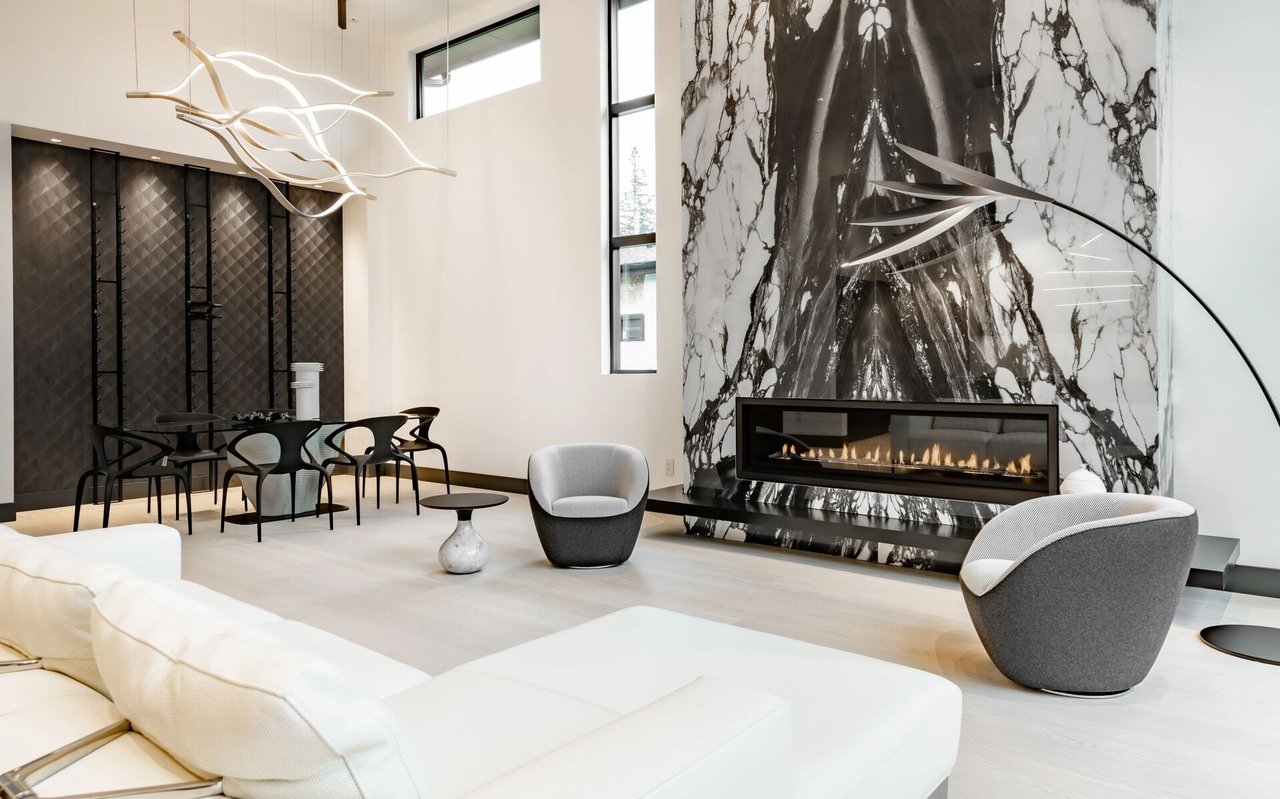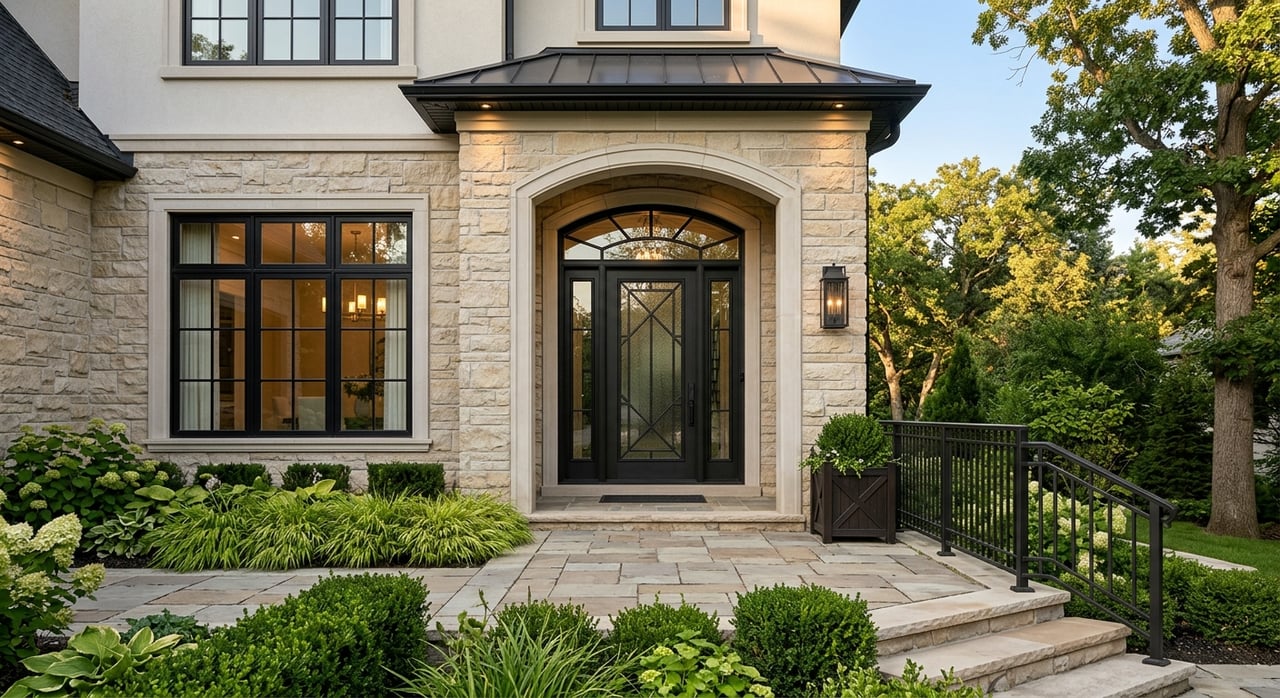
If you built your home around your lifestyle, not a builder’s template, selling it takes a different strategy. In Upper Saddle River, buyers at this price point are often looking closely at quality, privacy, layout, and documentation, not just bedroom count or square footage. If you want to protect value and avoid last-minute surprises, it helps to prepare your home like a luxury asset from day one. Let’s dive in.
Why custom homes sell differently
Upper Saddle River is not a broad, volume-driven market. It is a small Bergen County borough with a housing profile shaped by owner-occupied single-family homes, and Census data shows a 91.1% owner-occupied rate, median owner-occupied value of $1,108,700, and median household income above $250,000.
That matters because your likely buyer is often comparing homes through a different lens. In this market, buyers tend to focus on privacy, finish level, lot quality, flexibility of space, and overall condition rather than simple size-based comparisons alone.
Current market snapshots also place Upper Saddle River firmly in the luxury tier. Recent reporting cited a median sale price above $2 million, while other sources showed median listing prices between roughly $1.62 million and $1.7 million, with a relatively limited number of homes for sale and a market described as balanced.
For a custom-built home, that creates both opportunity and pressure. You are presenting a one-of-a-kind property to a smaller buyer pool, which means pricing, paperwork, and presentation all need to be more precise.
Upper Saddle River market context
Upper Saddle River’s zoning supports a low-density, estate-style setting. In the R-1 and R-2 residence districts, the borough allows single-family detached dwellings and customary accessory uses, which reinforces the area’s spacious residential character.
That setting can work in your favor if your home offers strong architectural presence, a well-planned lot, or thoughtful outdoor living. It also means buyers are likely to notice distinctions in design, privacy, and how your home fits the site.
School access is another factor that often shapes demand in this borough. The Upper Saddle River School District serves Reynolds Elementary, Bogert Elementary, and Cavallini Middle School, and students then attend Northern Highlands Regional High School.
When buyers evaluate long-term fit, they may weigh school district structure, commute patterns, office space, and day-to-day livability together. For your sale, that means the story around layout and function can be just as important as the architecture itself.
Clean up paperwork before listing
One of the biggest mistakes sellers make with custom homes is assuming quality construction speaks for itself. In reality, buyers and their attorneys, inspectors, lenders, and appraisers often want to see whether the home and any later improvements were properly permitted, inspected, and finalized.
Upper Saddle River’s Building Department enforces the State Uniform Construction Code and handles permits for new construction, additions, renovations, walls, pools, and other residential work. The borough also states that property owners are responsible for ensuring required permits are in place before work begins.
That means your first step should be a documentation review. If you added a pool, finished a basement, renovated a kitchen, built a wall, updated major systems, or expanded the home, you should confirm the municipal record is complete.
Records to gather early
For most custom-home sellers, the ideal pre-listing packet includes:
- Original plans and specifications
- Approved permits
- Final inspection records
- Certificate of Occupancy or approval documents, where applicable
- A current property survey
- Major change orders
- Warranties for systems or materials
- Invoices for meaningful upgrades
This packet helps answer a buyer’s most important questions quickly. It also gives your listing a stronger foundation if the home includes substantial custom work or high-end improvements that need explanation.
Why final sign-off matters
Upper Saddle River’s inspection process is staged by construction phase. The borough lists inspections including footing, foundation, rough electric, rough plumbing, framing, insulation, and final inspections, and states that a final inspection is required before a certificate of occupancy or approval may be issued.
In plain terms, a permit alone is not the full story. If work was started but never fully closed out, that can create delays or negotiation issues once you are under contract.
What if plans are missing?
Missing records do not always mean you are stuck. New Jersey DCA guidance states that the local construction department maintains filed building plans and specifications, and owners, mortgagees, contract purchasers, or authorized agents may access them for a copying charge.
In Upper Saddle River, some property information requests must go through the Borough Clerk via OPRA because of Daniel’s Law. The Borough Clerk also files maps, subdivision plots, bonds, and agreements related to housing developments and building projects, so it can make sense to request records from more than one local office.
Review zoning and site issues
Custom homes often include site-specific improvements that deserve a second look before listing. The borough’s Zoning Department states that an up-to-date scaled property survey is required for all projects, and some applications may require prior zoning, engineering, or soil-movement review.
If your home has retaining walls, grading changes, expanded hardscape, a pool, accessory improvements, or additions near setbacks, confirm that the survey and approvals line up with what exists today. That is especially important if improvements were completed years ago and records are no longer easy to find.
If your property is older or estate-like, it is also worth checking whether historic considerations apply. The borough’s Historic Preservation Commission notes that homes listed on the local inventory can be protected from demolition or major alteration that would destroy historic value.
Price for the market, not your cost
This is where many custom-home sales become challenging. You may have invested heavily in specialty materials, millwork, design details, or systems, but the market does not always return those costs dollar for dollar.
Appraisers typically rely on the sales comparison approach. That means they look for recent comparable sales, contract sales, and listings with similar physical and legal characteristics, and they may expand beyond the immediate area if needed and explain why.
Because custom homes rarely have perfect comps, the appraiser’s job is not to reimburse your build budget. The adjustment process is meant to reflect how the market reacts to a feature, not simply what that feature cost to install.
What buyers and appraisers may notice most
In Upper Saddle River, local trend data has associated stronger sale-to-list performance with features such as:
- Pool
- Office
- Fireplace
- Basement
- Attached garage
- Natural gas
- Gas cooktop
If your home includes these features, document them clearly. Good photography, floor plan callouts, and concise notes can help buyers and appraisers understand how the home competes in the market.
Unique features still need context
A wine room, dramatic double-height foyer, imported stone, radiant heat, or a fully built-out lower level may absolutely matter. But those features should be positioned as part of a complete value story that includes layout, lot utility, privacy, maintenance level, and verified construction quality.
That is why smart pricing starts with evidence, not emotion. In a luxury market with a thinner buyer pool, overpricing a custom home can quickly reduce momentum.
Present the home like a property dossier
In Upper Saddle River, a custom-built home should rarely be marketed like an ordinary listing. The presentation needs to match both the property and the buyer’s expectations.
At a minimum, your marketing package should feel comprehensive, polished, and easy to evaluate. Buyers in this segment often respond well to clarity, especially when a home has meaningful architectural or technical details.
What strong presentation should include
A custom-home listing often benefits from:
- Professional photography
- Floor plans
- Drone or context imagery
- Twilight exterior photos
- A room-by-room feature inventory
- Notes on architect, builder, materials, and major systems
- Clear references to permit history or finalized improvements when relevant
This approach helps your home read as a fully documented luxury offering rather than a property buyers have to decipher on their own.
Tell the right buyer story
The strongest marketing for a custom home is not just a list of upgrades. It is a clear explanation of how the home lives.
In Upper Saddle River, that story often centers on privacy, quality construction, flexible office space, pools and outdoor living, attached garages, finished basements, and turnkey systems. These are not just visual perks. They are practical features that can influence daily use and long-term appeal.
If your home has a particularly functional floor plan, a seamless indoor-outdoor setup, or well-executed work-from-home spaces, that should be highlighted early. The goal is to help the right buyer see why your property stands apart in ways that are measurable and easy to understand.
Avoid surprises before you hit the market
Luxury buyers expect a smooth process, and preventable issues can weaken confidence fast. If permits are incomplete, inspections were never finalized, or site changes cannot be easily documented, those concerns can affect negotiations even if the home shows beautifully.
That is why pre-listing preparation matters so much with a custom-built property. In this market, value is often driven less by what you spent and more by what you can verify.
When your paperwork is clean, your pricing is disciplined, and your presentation is sharp, you give buyers fewer reasons to hesitate. That usually leads to a more credible launch and a stronger position once interest starts coming in.
If you are thinking about selling a custom-built home in Upper Saddle River, working with a team that understands luxury presentation, pricing discipline, and transaction control can make a meaningful difference. To start with a tailored strategy for your property, connect with The Tony Nabhan Collective.
FAQs
What makes selling a custom-built home in Upper Saddle River different?
- Custom-built homes in Upper Saddle River compete in a luxury market with a smaller buyer pool, so pricing, documentation, and presentation usually matter more than they would for a more standard home.
What documents should you gather before listing a custom home in Upper Saddle River?
- You should try to gather original plans, permits, final inspections, Certificate of Occupancy or approval records where applicable, a current survey, warranties, change orders, and invoices for major upgrades.
Why do permits matter when selling a home in Upper Saddle River?
- The borough’s process is permit-driven, and buyers may want confirmation that additions, pools, renovations, and major systems were properly permitted, inspected, and closed out.
Can you sell a custom-built home in Upper Saddle River without original plans?
- You may still be able to obtain filed building plans and specifications through the local construction department, and some related property records may also be available through the Borough Clerk.
How are custom homes priced in Upper Saddle River?
- Custom homes are generally evaluated through comparable sales, which means value is based on market reaction to the home’s features, condition, and legal characteristics rather than construction cost alone.
Which custom-home features may stand out to buyers in Upper Saddle River?
- Local trend data has linked stronger sale-to-list performance with features such as pools, offices, fireplaces, basements, attached garages, natural gas, and gas cooktops.